English
 Arabic
 French
 Spanish
 Portuguese
 Deutsch
 Turkish
 Dutch
Dutch
 Italiano
 Russian
 Romaian
 Portuguese (Brazil)
 Greek
Greek
Nante Industrial Plug Socket Connector Installation Handbook
Other |
2025-11-21 01:14:16
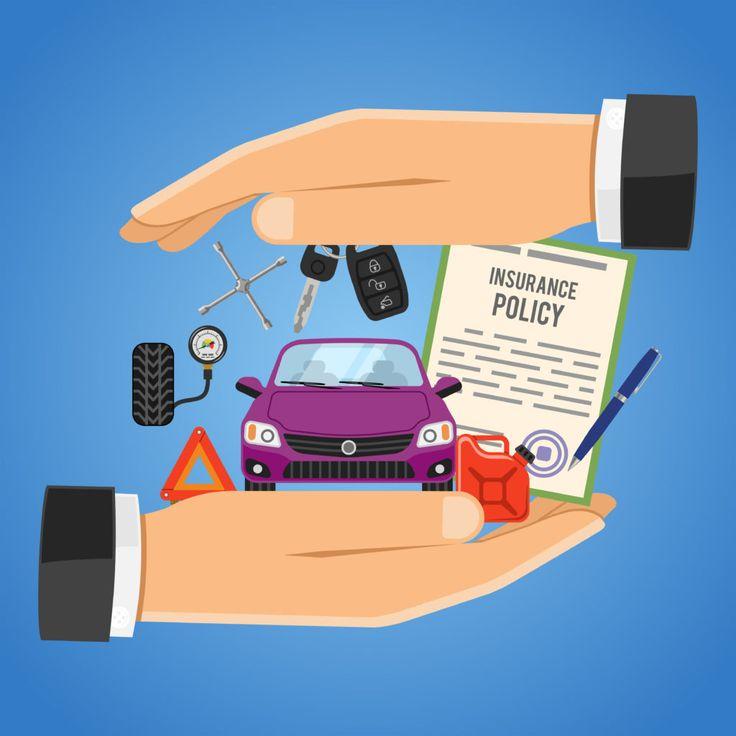
Vehicle ownership brings convenience, independence, and responsibility. Among the most important obligations associated with driving is maintaining valid protection coverage. Insurance policies safeguard motorists from unexpected financial burdens resulting from collisions, property damage, or liability claims. When selecting a policy, drivers commonly encounter two main categories: comprehensive coverage and third-party protection. Understanding the distinctions between these options helps motorists choose the most appropriate safeguard for their needs.
Both policy types serve different purposes, offer varying levels of security, and carry different premium costs. Learning how each works enables drivers to make informed decisions that align with their budget, vehicle value, and personal risk tolerance.
Automobile coverage exists primarily to protect drivers from financial consequences caused by accidents, theft, or damage. Road incidents can involve multiple parties, repair expenses, medical costs, or legal claims. Without insurance protection, these situations may create overwhelming financial pressure. Similar to how Event cancellation insurance protects organizers from financial losses when unexpected circumstances disrupt planned events, vehicle protection safeguards motorists from sudden expenses and liabilities associated with road accidents..
Coverage plans provide compensation for losses, ensuring that motorists can manage unexpected events without facing severe monetary hardship. The type of protection selected determines what damages are covered and whose losses are compensated.
Insurance authorities in many regions require at least basic liability protection before a vehicle can legally operate on public roads. This requirement ensures that victims of accidents receive compensation for property damage or injury.
Third-party coverage represents the most basic form of automobile protection. This policy compensates other individuals involved in an accident caused by the insured driver. The term “third party” refers to anyone who suffers damage or injury due to the policyholder’s actions.
In simpler terms, this coverage pays for losses experienced by another person, not for damage to the insured vehicle itself.
Third-party protection usually includes several essential components:
Liability for property damage:
If a driver accidentally damages another person’s vehicle, building, fence, or other property, the policy pays for repair or replacement.
Bodily injury liability:
If another individual suffers injuries during a collision caused by the insured driver, medical treatment expenses may be compensated under the policy.
Legal liability coverage:
Some plans include legal defense expenses if the affected party files a claim or lawsuit.
Despite these benefits, the insured motorist receives no compensation for personal vehicle repairs under this policy.
Although it offers limited coverage, this option still provides several practical benefits for drivers.
Because protection remains limited to liability claims, premiums for third-party coverage are typically lower than comprehensive plans. Drivers seeking affordable legal compliance often select this option.
Many jurisdictions require at least basic liability protection before allowing a vehicle on public roads. Third-party coverage fulfills this legal obligation.
Owners of older automobiles with lower market value often choose this policy because repair expenses might exceed the vehicle’s worth. Paying higher premiums for broader coverage may not make financial sense in such cases.
Despite its affordability, this coverage type has several important limitations that drivers should carefully consider.
Damage to the insured automobile remains the driver’s financial responsibility. Even if the accident occurs due to road hazards, weather conditions, or unknown causes, the policy provides no compensation.
If a vehicle gets stolen, the owner receives no reimbursement under third-party protection.
Events such as floods, storms, fires, or earthquakes are not covered.
Because of these restrictions, drivers who rely solely on third-party coverage assume greater financial risk.
Comprehensive coverage provides broader protection compared with third-party policies. This plan includes liability coverage for damage caused to others while also covering the insured vehicle against various risks.
Essentially, it protects both the policyholder and other parties involved in an accident.
Comprehensive plans usually protect against a wide range of situations.
Accident damage:
Repair expenses for the insured automobile following a collision are typically covered.
Third-party liability:
Damage caused to another person’s vehicle or property remains included.
Theft protection:
If the insured automobile gets stolen, compensation may be provided based on policy terms.
Natural disasters:
Floods, storms, earthquakes, and similar events may be included.
Fire damage:
Loss caused by accidental fires can also be covered.
Vandalism protection:
Intentional damage caused by others may be compensated depending on the policy.
This extensive protection makes comprehensive coverage a preferred option for many drivers.
Choosing a broader protection plan offers several advantages that extend beyond basic legal requirements.
Unexpected incidents can result in expensive repairs. Comprehensive coverage ensures that the driver does not bear the full cost of vehicle restoration.
From theft to natural disasters, comprehensive plans cover a wide range of potential hazards.
Knowing that both liability claims and personal vehicle damage are protected reduces stress while driving.
Newer automobiles often have higher repair costs. Comprehensive coverage ensures that these expenses remain manageable.
Although comprehensive insurance offers extensive benefits, it also has certain drawbacks.
Because the coverage scope is broader, premiums are typically higher than third-party plans.
Many policies include deductibles, meaning the driver must pay a portion of repair expenses before coverage applies.
Coverage may depend on certain conditions such as timely reporting of incidents or proper vehicle maintenance.
Drivers must review policy details carefully to understand coverage limitations.
Understanding the major differences between these two policy types helps drivers determine which option suits their needs.
Third-party protection focuses only on damage caused to others. Comprehensive coverage protects both the insured driver and affected third parties.
Third-party plans generally cost less because they offer limited protection. Comprehensive policies carry higher premiums due to broader coverage.
Theft protection usually exists only under comprehensive coverage.
Events such as floods, storms, or fires are generally included only in comprehensive policies.
Repair expenses for the insured vehicle are covered only under comprehensive plans.
Selecting the appropriate policy depends on several personal and financial factors.
Newer automobiles often benefit from comprehensive coverage because repair costs remain high. Older vehicles with lower market value may justify third-party protection instead.
Motorists who frequently drive long distances or travel through busy traffic areas may face higher accident risks. Comprehensive protection offers stronger financial security in these situations.
Drivers with limited budgets may initially choose third-party coverage due to lower premiums. However, they should also consider potential repair costs in case of accidents.
Some individuals prefer maximum protection for peace of mind, while others accept greater risk to reduce premium expenses.
Vehicles parked outdoors or in high-risk areas may face higher theft or vandalism risks. Comprehensive coverage offers additional protection in such cases.
Although comprehensive coverage offers broader protection, third-party plans remain suitable in certain situations.
For example, drivers may choose this option if:
The automobile is older and has low resale value
The owner rarely drives long distances
Repair expenses may exceed the vehicle’s market worth
Budget limitations require minimal premium payments
In such cases, third-party coverage fulfills legal requirements while keeping costs manageable.
Comprehensive coverage becomes a more practical option when:
The vehicle is new or valuable
The driver relies on the car daily
Theft risk exists in the parking area
Weather conditions pose potential hazards
The owner wants broader financial protection
In these scenarios, paying higher premiums may ultimately prevent much larger financial losses.
Some drivers choose to enhance protection through optional add-ons or policy extensions. These features vary by region but may include additional benefits such as roadside assistance, personal accident coverage, or replacement vehicle options.
Although these extras increase premiums, they can provide valuable assistance during emergencies.
Drivers should evaluate whether such features align with their lifestyle and driving habits.
Selecting the right automobile coverage requires careful evaluation. Drivers can follow several practical tips before purchasing a policy.
Review different policy types and understand what situations each plan covers.
Consider driving habits, parking conditions, and local accident statistics.
Check deductibles, exclusions, and claim procedures to avoid surprises later.
Lower premiums may seem attractive initially but could result in higher expenses after accidents.
Understanding the full policy wording helps prevent misunderstandings during claim situations.
While insurance provides financial protection, safe driving remains the most effective way to avoid accidents and claims. Maintaining proper vehicle condition, following traffic rules, and remaining alert on the road significantly reduce risks.
Responsible behavior benefits not only the driver but also other road users.
Choosing between comprehensive and third-party automobile coverage requires understanding the differences in protection levels, premium costs, and financial risk. Third-party policies provide basic liability coverage and fulfill legal requirements, making them suitable for older vehicles or drivers seeking minimal expenses. In the same way that businesses carefully evaluate options when selecting the Best Medical Insurance for Business to protect employees and manage financial risks, vehicle owners should also compare policy benefits, coverage limits, and long-term value before making a final decision on automobile protection.
Comprehensive protection offers broader security by covering both third-party liabilities and damage to the insured vehicle. This type of policy is particularly beneficial for newer automobiles or motorists who prefer stronger financial safeguards.
Ultimately, the best choice depends on individual priorities, vehicle value, driving habits, and budget considerations. By carefully evaluating these factors, drivers can select coverage that provides appropriate protection while ensuring peace of mind whenever they travel on the road.