English
 Arabic
 French
 Spanish
 Portuguese
 Deutsch
 Turkish
 Dutch
Dutch
 Italiano
 Russian
 Romaian
 Portuguese (Brazil)
 Greek
Greek
Can Dark Tail Lights Transform Routine Travels into Captivating Experiences?
Crafts |
2025-12-29 03:46:26
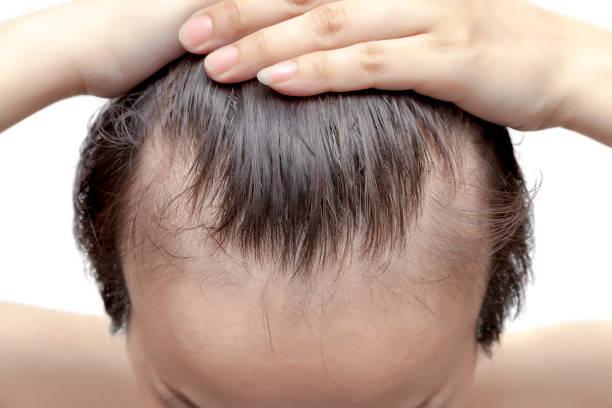
Embarking on a hair transplant journey can feel like stepping into a transformative adventure, where thin strands give way to a fuller, confident crown. But what happens after the procedure? The real magic unfolds during the healing stages, a fascinating week-by-week evolution that turns tiny grafts into thriving follicles. If you're curious about the timeline from redness to remarkable regrowth, this breakdown demystifies it all. Hair Transplant in Riyadh(زراعة الشعر في الرياض ) We'll explore each phase with practical tips, so you can visualize your own path to lush locks. Stick around—understanding these stages empowers you to nurture your new hair like a pro.
In the heart of Saudi Arabia, Hair Transplant in Riyadh has surged in popularity, drawing those seeking cutting-edge solutions amid the city's vibrant lifestyle. This procedure, blending advanced techniques like FUE and FUT, promises natural results tailored to diverse hair types. Whether combating genetic baldness or stress-related thinning, Hair Transplant in Riyadh offers a beacon of hope. Bold strides in technology ensure minimal downtime, making it a go-to for busy professionals. Imagine waking up to a scalp that's not just healing but poised for a stunning comeback—let's dive into the stages.
Right after surgery, your scalp enters shock loss mode, where transplanted hairs shed—don't panic, it's normal! Swelling peaks around day two, resembling a mild sunburn with pinkish hues and tiny scabs forming over grafts. Think of it as your scalp's protective cocoon.
Rest is key: Elevate your head while sleeping to curb swelling, and apply gentle ice packs wrapped in cloth. Avoid touching the area to prevent dislodging follicles. Most people return to light activities by day three, feeling surprisingly energized. Hydration and a soft diet speed this phase, setting the stage for smoother sailing.
By week's end, scabs begin flaking off naturally, revealing tender pink skin underneath—like peeling after a beach day, but with promise. Itching might creep in as healing ramps up, signaling new cell growth.
Gentle washing starts here: Use a mild, sulfate-free shampoo diluted with cool water, patting dry instead of rubbing. Steer clear of sweat-inducing workouts or direct sun—your grafts are like seedlings craving shade. Many notice reduced swelling, boosting that "I got this" vibe. Pro tip: Aloe vera gel soothes without irritation, keeping discomfort at bay.
Swelling fades dramatically, and the scalp feels less "raw," transitioning to a numb-yet-sensitive state. Transplanted areas might look patchy as shock loss completes, but underneath, roots are anchoring deep.
Resume normal shampooing, but skip harsh products. Light walking invigorates blood flow without strain. Avoid hats or helmets to let skin breathe. By week's close, mirrors reflect progress—less redness, more normalcy. It's thrilling to see the groundwork for density laid, sparking excitement for months ahead.
Itching intensifies as nerves regenerate, paired with flakiness from drying skin. No visible growth yet—this "dormant" period tests patience, but it's crucial for follicle strengthening.
Moisturize with doctor-approved lotions; over-scratching risks infection. Introduce low-impact exercises like yoga. Sun protection via loose caps becomes essential. Users often share how this phase builds anticipation, like waiting for spring blooms after winter.
Tiny "peppercorn" hairs sprout—fine, short, and uneven, marking the first victory lap! Scalp texture normalizes, with reduced sensitivity.
Nourish with biotin-rich foods like eggs and nuts; minoxidil might enhance if advised. Style gently with soft brushes. The mirror now teases density, fueling that addictive "watch me grow" thrill.
Hairs lengthen and thicken, filling patches with noticeable volume. Donor areas heal fully, scars fading to near-invisibility.
Full styling resumes—windswept looks return! Maintain scalp health with balanced nutrition. This phase delivers the "wow" factor, turning skeptics into advocates.
Growth accelerates, with 50-60% density achieved. Hairs gain texture matching your natural mane.
Trim as needed; protect from chlorine or heat tools. Social media glow-ups dominate here, inspiring others.
Peak results emerge—up to 90% density, blending seamlessly. Patience pays off in a transformed silhouette.
Ongoing care like PRP boosts longevity. Celebrate with new hairstyles; your confidence soars sky-high.
Throughout, Hair Transplant in Riyadh shines for its expert care, blending tradition with innovation for enduring results.
Ready to start your healing journey? Book an appointment consultation clinic like 'Enfield Royal Riyadh(إنفيلد رويال الرياض)' today for personalized guidance.
How long does swelling last after hair transplant?
Swelling typically peaks at 2-3 days and subsides by week 1-2 with elevation and cold compresses.
When do new hairs start growing post-transplant?
Fine "baby hairs" appear around weeks 5-8, thickening progressively up to 12 months.
Is itching normal during hair transplant recovery?
Yes, intense itching in weeks 3-4 signals nerve regeneration—moisturize gently to ease it.
Can I exercise during hair transplant healing stages?
Light walks from week 2; avoid sweating until week 4 to protect grafts.
What accelerates hair transplant regrowth timeline?