English
 Arabic
 French
 Spanish
 Portuguese
 Deutsch
 Turkish
 Dutch
Dutch
 Italiano
 Russian
 Romaian
 Portuguese (Brazil)
 Greek
Greek
Eco-Friendly Subscription Boxes for Sustainable Packaging Needs
Other |
2026-03-25 22:03:11
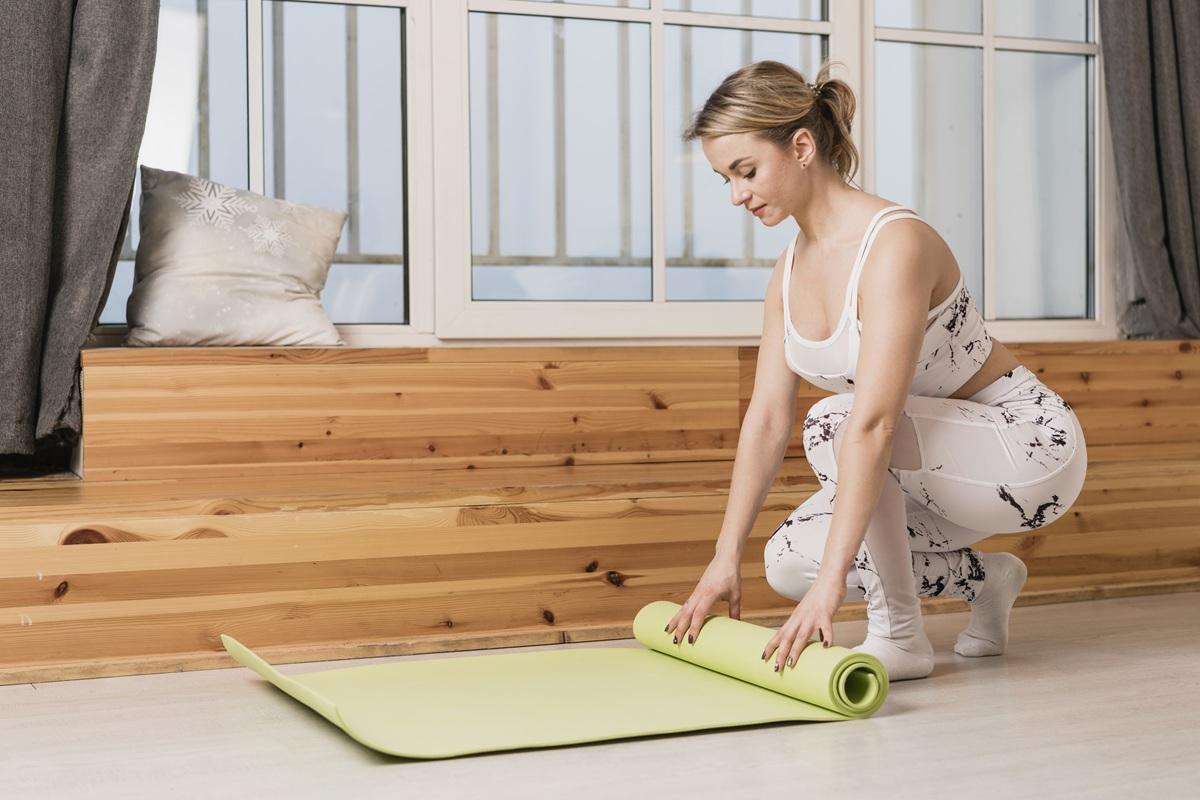
Choosing the right Eco yoga mat goes far beyond picking a pretty colour or snagging a bargain. The mat you practise on affects your grip, your joints, your health, and yes the environment. With Australians increasingly embracing sustainable living, the demand for eco conscious yoga accessories has skyrocketed. More yogis are asking tough questions about where their gear comes from and what happens to it when it wears out.
In this guide, we'll explore everything you need to know about finding a high-quality eco yoga mat. From understanding which materials are genuinely sustainable to evaluating performance features that matter for your practice, you'll walk away with a clear checklist for making a mindful choice. Whether you're a seasoned yogi or just starting your journey, this comprehensive breakdown will help you invest wisely in a mat that supports both your practice and the planet.
Not all Eco yoga mats are created equal. Truly eco-friendly mats use materials that come from renewable sources, break down naturally, and are produced without harmful chemicals. Think natural rubber harvested from sustainable plantations, cork stripped from regenerating bark, or jute fibres grown without pesticides.
The key is looking beyond surface-level claims. A genuinely sustainable mat considers its entire lifecycle from raw material sourcing through manufacturing and eventually to disposal. The best options are biodegradable, meaning they won't sit in landfill for centuries.
Here's where things get tricky. Many brands slap eco-friendly labels on products that are anything but. This greenwashing can make shopping confusing and frustrating. Look for third-party certifications like OEKO-TEX, FSC (Forest Stewardship Council), or GOTS (Global Organic Textile Standard) to verify claims.
What is the most eco-friendly yoga mat material? Natural rubber and cork consistently rank as the most sustainable options. Both are renewable, biodegradable, and produced with minimal environmental impact when sourced responsibly. Cork, in particular, comes from bark that regrows, making it an incredibly renewable resource.
Each material brings unique benefits to your practice. Natural rubber offers excellent grip and cushioning, making it brilliant for dynamic styles like vinyasa. Cork provides antimicrobial properties and actually becomes grippier when wet perfect for sweaty sessions. Jute delivers a textured, earthy feel and exceptional durability.
The best choice depends on your practice style and personal preferences. Many high-quality mats combine materials, like cork topped onto natural rubber, giving you the best of both worlds.
PVC (polyvinyl chloride) remains the most common eco yoga mat material, but it's also one of the most problematic. It contains phthalates, releases toxic dioxins during production, and takes centuries to decompose. Plus, that new-mat smell? Often it's off-gassing from harmful chemicals.
Are natural rubber yoga mats better than synthetic? Absolutely, for both health and environmental reasons. Natural rubber is sustainably harvested, biodegradable, and free from the toxic chemicals found in synthetic alternatives. Your body and the planet will thank you.
When shopping for biodegradable mats, check that the entire product breaks down naturally not just the top layer. Some mats use biodegradable surfaces bonded to synthetic bases, which defeats the purpose. True biodegradable options return to the earth within a few years rather than lingering for generations.
Nothing disrupts your flow like slipping mid-downward dog. Different materials offer varying grip levels, so consider your practice style. Cork and natural rubber excel in sweaty conditions, while jute provides reliable traction for gentler practices.
The surface texture matters too. Some yogis prefer smooth finishes, while others like textured patterns that enhance grip. If you practise hot yoga or tend to perspire heavily, prioritise materials that perform better when wet.
How thick should an eco yoga mat be? Most eco mats range from 3mm to 6mm. Thinner mats (3-4mm) provide better stability for balance poses and connect you more closely to the floor. Thicker options (5-6mm) offer superior joint cushioning for those with sensitive knees or wrists.
Consider where you'll practise most often. Home practitioners on hard floors might appreciate extra cushioning, while studio regulars might prefer portability over padding.
A quality eco mat should last three to five years with proper care. Look for mats with closed-cell construction, which resists moisture absorption and prevents bacterial growth. Check reviews mentioning long-term use rather than just first impressions.
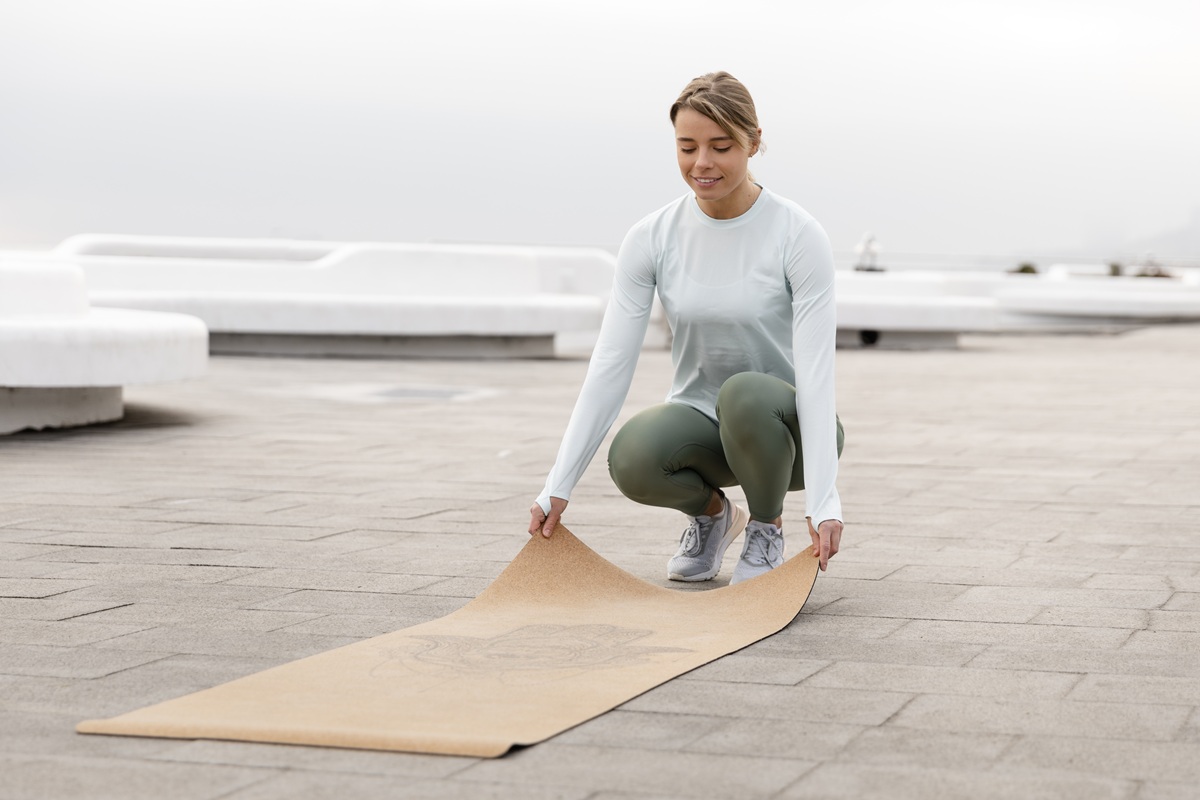
Eco mats tend to weigh more than synthetic alternatives. Natural rubber mats often tip the scales at 2.5-3.5kg, which can feel heavy when commuting to class. If portability matters, consider cork or jute options, which are generally lighter.
Are cork yoga mats good for hot yoga? Cork is actually ideal for hot yoga. Unlike other materials that become slippery when wet, cork's grip improves with moisture. Plus, its natural antimicrobial properties help combat bacteria in sweaty environments.
The tactile experience matters more than many yogis realise. Some people love cork's smooth, warm feel, while others prefer jute's natural roughness. If possible, test mats before buying or purchase from retailers with good return policies.
Protecting your health means choosing mats free from harmful substances. Look for OEKO-TEX Standard 100 certification, which tests for hundreds of regulated and unregulated chemicals. SGS testing and REACH compliance are additional indicators of safety.
Are eco yoga mats safe for people with latex allergies? Natural rubber contains latex proteins, making it unsuitable for allergy sufferers. Cork and jute mats provide excellent latex-free alternatives without compromising on sustainability or performance.
If you have sensitive skin, cork and organic cotton options are your best friends. Both materials are naturally hypoallergenic and gentle against skin. Avoid mats with synthetic dyes or chemical treatments, which can trigger reactions.
Sustainability extends beyond materials to how products are made. Research brands' manufacturing practices and look for Fair Trade certification or transparent supply chain information. Many Australian-owned companies prioritise ethical production and happy to share their practices.
Where your mat is manufactured affects its environmental impact. Locally made options reduce shipping emissions, though sometimes overseas production uses more sustainable methods. Consider the full picture when evaluating a brand's true sustainability credentials.
Most eco mats clean beautifully with a simple mixture of water and gentle soap or diluted white vinegar. Avoid harsh chemicals that can degrade natural materials. Wipe down after each use and deep clean monthly.
How long do eco-friendly yoga mats last? With proper care, quality eco mats last three to five years. Store them loosely rolled or flat, away from direct sunlight, and always let them dry completely before rolling up.
Finding the right eco yoga mat doesn't have to feel overwhelming. Focus on materials first natural rubber, cork, and jute offer the best combination of sustainability and performance. Check for genuine certifications rather than trusting vague marketing claims, and consider whether the mat suits your specific practice style.
Think about your priorities honestly. Do you need maximum grip for hot yoga, extra cushioning for sensitive joints, or lightweight portability for commuting? There's no single perfect mat for everyone, but there's definitely a perfect mat for you.
Making a mindful choice means supporting brands that align with your values while investing in something that enhances your practice. Your yoga mat is where transformation happens choose one that reflects your commitment to yourself and the planet. Happy practising!