India Watch Market Set for Steady Expansion Through 2033
The India’s watch market is undergoing a significant transformation, shaped by technological innovation, evolving consumer preferences, and rising disposable incomes. According to Renub Research, the market was valued at US$ 3.2 billion in 2024 and is projected to reach US$ 5.13 billion by 2033, growing at a compound annual growth rate (CAGR) of 5.28% from 2025 to 2033.
This growth reflects a dynamic shift in how watches are perceived in India—from simple timekeeping devices to lifestyle accessories and smart wearable technology.
From Timekeeping to Lifestyle Statement
Traditionally, watches in India served as essential tools for timekeeping. However, the modern Indian consumer increasingly views watches as fashion accessories, status symbols, and technological companions.
The market today spans a wide spectrum—from affordable quartz watches for daily use to premium luxury timepieces and feature-rich smartwatches. Domestic brands such as Titan, Fastrack, and Sonata dominate the mass segment, while global luxury brands cater to affluent consumers.
Simultaneously, the rapid rise of smartwatches is reshaping the market landscape, attracting younger, tech-savvy buyers who prioritize functionality alongside style.
Key Growth Drivers Fueling Market Expansion
Rising Disposable Income and Aspirational Buying
One of the primary drivers of India’s watch market is the steady increase in disposable income, particularly among the growing middle class. As economic conditions improve, consumers are more willing to spend on premium and branded products.
Watches are increasingly seen as symbols of success and personal style. This trend is particularly evident in urban areas, where demand for luxury and designer watches is rising.
Indian brands are also capitalizing on this shift by introducing affordable luxury collections, bridging the gap between high-end international brands and budget-conscious consumers.
Smartwatch Revolution and Wearable Technology
The rapid adoption of smartwatches is one of the most transformative trends in the Indian watch market. These devices offer a wide range of features, including fitness tracking, heart rate monitoring, GPS, and smartphone connectivity.
Smartwatches appeal strongly to younger consumers who value convenience, health monitoring, and digital integration. The availability of affordable options from domestic brands has further accelerated adoption.
As wearable technology continues to evolve with advanced features and AI integration, smartwatches are expected to play an increasingly dominant role in the market.
E-Commerce and Digital Retail Boom
The expansion of e-commerce platforms has significantly boosted watch sales in India. Online marketplaces provide consumers with access to a wide variety of brands, competitive pricing, and convenient delivery options.
Digital marketing strategies, influencer collaborations, and virtual try-on features are enhancing customer engagement and driving online purchases.
E-commerce has also enabled international brands to reach Indian consumers more effectively, overcoming geographical limitations and expanding their market presence.
Market Challenges Restraining Growth
Competition from Unorganized and Counterfeit Markets
The Indian watch market faces strong competition from unorganized players and counterfeit products. Many consumers, particularly in price-sensitive segments, opt for low-cost, unbranded watches.
Counterfeit versions of popular brands also pose a significant challenge, impacting the reputation and sales of genuine products. Despite efforts to introduce authentication features, the presence of fake products remains a persistent issue.
Shift Toward Smartphones and Smart Devices
The increasing reliance on smartphones for timekeeping has reduced the necessity of traditional watches, especially among younger consumers.
Smartwatches are also replacing conventional analog and quartz watches in many segments, forcing traditional watchmakers to innovate and adapt to changing consumer preferences.
Segment Analysis: Emerging Opportunities
Electronic Watches (Smartwatches)
The electronic watch segment, led by smartwatches, is the fastest-growing category in India. These devices are particularly popular among fitness enthusiasts and tech-savvy consumers.
Features such as health tracking, notifications, and connectivity make smartwatches highly attractive, driving strong demand across urban markets.
Mechanical Watches
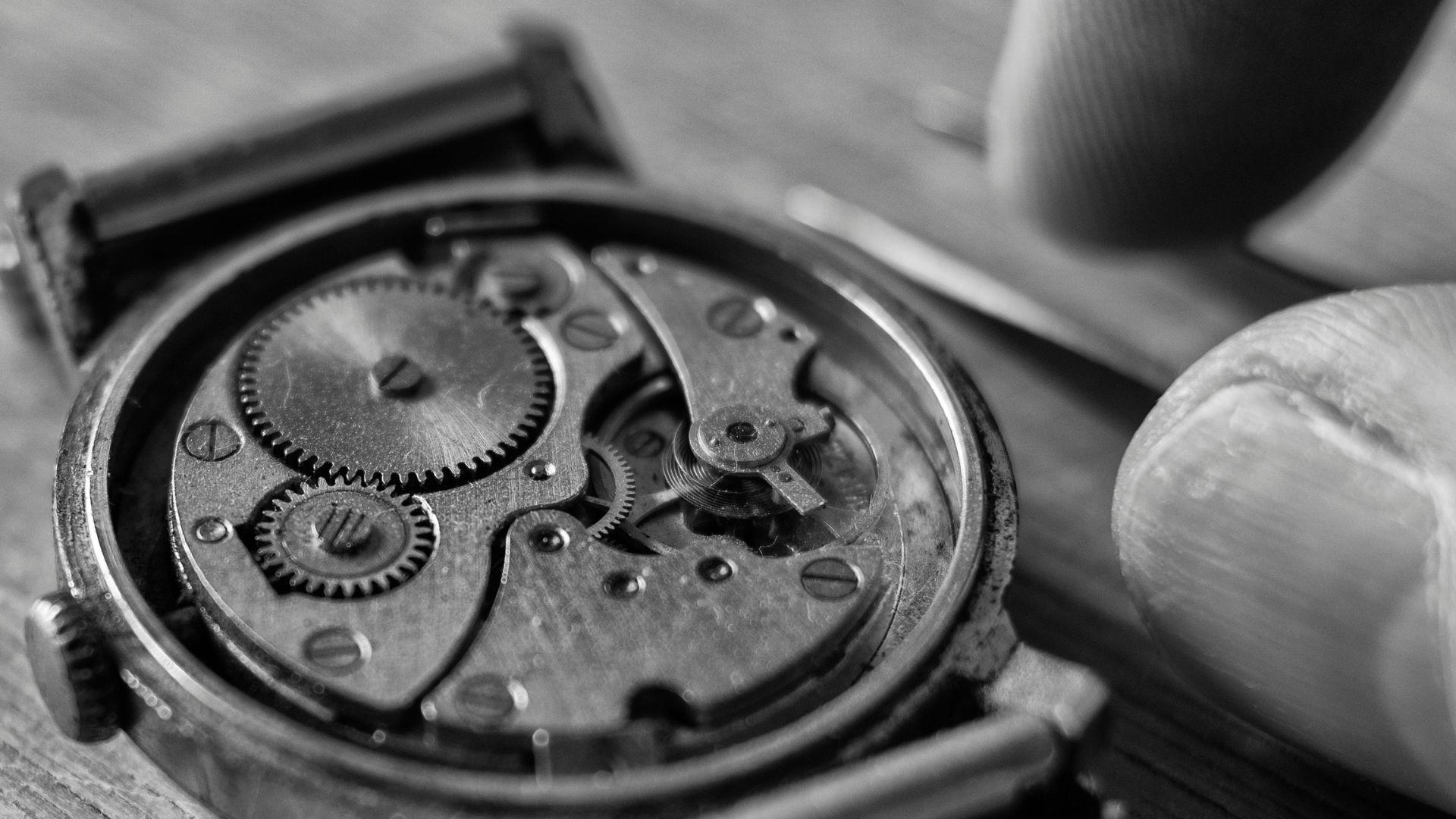
Mechanical watches occupy a niche but premium segment of the market. They are valued for their craftsmanship, heritage, and exclusivity.
Luxury watch enthusiasts and collectors continue to invest in mechanical timepieces, making this segment an important contributor to overall market value.
Quartz Watches
Quartz watches dominate the mass market due to their affordability, accuracy, and low maintenance. They remain a popular choice for everyday use, particularly among budget-conscious consumers.
Despite competition from smartwatches, quartz watches continue to hold a strong position in the market.
Consumer Segmentation Insights
Men’s Watch Market
The men’s watch segment is highly diverse, ranging from luxury analog watches to rugged sports models and smartwatches. Demand for multifunctional and stylish watches is increasing as men seek products that combine performance with aesthetics.
Luxury Watch Market
India’s luxury watch segment is experiencing steady growth, driven by rising wealth and aspirational buying behavior. High-end watches are increasingly viewed as status symbols and investment pieces.
The pre-owned luxury watch market is also gaining traction, making premium brands more accessible to a broader audience.
Convenience and Online Retail Channels
Convenience stores and supermarkets continue to serve as important distribution channels for affordable watches. However, online platforms are rapidly gaining dominance, offering greater variety and better pricing.
As internet penetration and smartphone usage increase, online sales are expected to contribute significantly to market growth.
Competitive Landscape
The Indian watch market is highly competitive, with a mix of domestic and international players. Key companies include:
- Seiko Holdings Corporation
- Casio Computer Co. Ltd
- Timex Group
- Rolex SA
- Compagnie Financière Richemont S.A
- The Swatch Group Ltd
- Citizen Watch Co. Ltd.
- Fossil Group Inc.
- Google LLC (Fitbit Inc.)
These companies are focusing on innovation, branding, and expanding their digital presence to capture a larger share of the market.
Future Outlook: Innovation and Digital Integration to Drive Growth
The future of India’s watch market will be shaped by the continued integration of technology, evolving consumer preferences, and expanding digital ecosystems.
Smartwatches are expected to lead growth, while traditional watch segments will need to innovate to remain relevant. Sustainability, personalization, and advanced features will become key differentiators in the competitive landscape.
As India’s economy continues to grow, the demand for both luxury and affordable watches is likely to increase, creating opportunities for brands across all segments.
Final Thoughts
India’s watch market is poised for steady growth, supported by strong economic fundamentals and rapid technological advancements. With projections indicating a rise to US$ 5.13 billion by 2033, the industry is set to evolve further in the coming years.
While challenges such as counterfeit products and shifting consumer preferences persist, the market’s adaptability and innovation-driven approach provide a solid foundation for future expansion.
Ultimately, the Indian watch industry is transitioning into a hybrid ecosystem—where tradition meets technology, and functionality blends seamlessly with fashion—making it one of the most dynamic consumer markets in the country today.
 English
 Arabic
 French
 Spanish
 Portuguese
 Deutsch
 Turkish
 Dutch
Dutch
 Italiano
 Russian
 Romaian
 Portuguese (Brazil)
 Greek
Greek